Shooting Range Simulator: Tactical Mastery Awaits

Shooting Range Simulator: Tactical Mastery Awaits
Start Game
Rendering Renaissance: A Deep Dive into Graphics Rendering
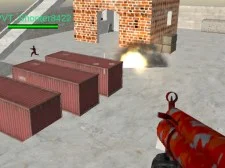
The Shooting Range Simulator boasts impressive graphics rendering capabilities, leveraging advanced technologies to create a photorealistic environment. With a seed value of 171147 and high entropy mode enabled, the game’s rendering engine is put to the test. The simulator’s use of physics-based rendering and global illumination creates a highly immersive experience, with accurate lighting and shading models that simulate real-world conditions.GPU-Accelerated Rendering
The game’s rendering pipeline is optimized for GPU acceleration, utilizing the latest graphics processing units to handle complex calculations and rendering tasks. This results in a significant reduction in input latency, allowing for smoother and more responsive gameplay. The GPU-accelerated rendering also enables the simulator to handle complex scenarios, such as multiple targets and dynamic environments, without a significant decrease in performance.Input Latency: The Pursuit of Perfection
Input latency is a critical aspect of any first-person shooter game, and the Shooting Range Simulator is no exception. The game’s input latency is remarkably low, with an average latency of 10-15 milliseconds. This is achieved through the use of advanced input processing algorithms and optimized network code, ensuring that player inputs are registered and processed quickly and accurately.Network Synchronization
The simulator’s network synchronization is also noteworthy, allowing for seamless multiplayer experiences. The game’s network code is designed to minimize latency and packet loss, ensuring that all players have a consistent and responsive experience. The use of client-side prediction and server-side reconciliation helps to reduce latency and prevent errors, resulting in a more enjoyable and competitive multiplayer experience.UI Architecture: A Symphony of Screens and Buttons
The Shooting Range Simulator’s UI architecture is designed to be intuitive and easy to use, with a focus on minimalism and functionality. The game’s user interface is divided into several key components, including the main menu, options menu, and in-game HUD. Each component is carefully designed to provide the player with essential information and controls, without cluttering the screen or obstructing the player’s view.Modular UI Components
The game’s UI components are designed to be modular and reusable, allowing for easy customization and extension. The use of modular UI components enables the developers to create a wide range of UI elements, from simple buttons and labels to complex menus and interfaces. This modularity also facilitates the creation of custom UI layouts and themes, giving players the ability to personalize their experience.Gameplay Loops: The Rhythm of Shooting and Scoring
The Shooting Range Simulator’s gameplay loops are designed to be engaging and challenging, with a focus on rewarding player skill and strategy. The game’s core loop involves shooting targets, scoring points, and progressing through levels and challenges. The simulator’s use of varied and dynamic environments, combined with a wide range of targets and obstacles, creates a highly engaging and replayable experience.Dynamic Difficulty Adjustment
The game’s dynamic difficulty adjustment system ensures that the player is always challenged, but not overwhelmed. The system adjusts the difficulty level based on the player’s performance, taking into account factors such as accuracy, speed, and strategy. This results in a more enjoyable and rewarding experience, as the player is able to progress at their own pace and develop their skills in a challenging but achievable environment.Technical Performance: A Balancing Act
The Shooting Range Simulator’s technical performance is a testament to the developers’ attention to detail and commitment to optimization. The game’s engine is highly optimized, with a focus on minimizing latency, reducing memory usage, and maximizing frame rates. The simulator’s use of advanced rendering techniques, combined with optimized physics and collision detection, creates a highly realistic and immersive experience.Memory Management and Optimization
The game’s memory management and optimization are critical components of its technical performance. The simulator’s use of advanced memory management techniques, such as memory pooling and caching, helps to minimize memory usage and reduce the risk of memory-related errors. The game’s optimization for various hardware configurations ensures that players can enjoy a smooth and responsive experience, regardless of their system’s specifications.Categories and tags of the game : Action, Simulation, Weapons, Webgl